
Listen in as a range of industry experts dig into today’s challenges and pathways to modernizing our electric grid.
Sponsored by Virtual Peaker

Each 30-minute GridPulse episode gives you candid observations and best practices from prominent industry leaders who are grappling with the fast-evolving grid landscape. You can find the podcast on Apple, Spotify, YouTube and other apps, or follow the links below to listen through your browser. Subscribe to GridPulse to be first to hear upcoming episodes.
GridPulse is the next generation of our podcast series formerly called Grid Forward Forum.





Virtual Peaker is the sponsor for season 7 of GridPulse, a Grid Forward podcast.
Stop relying on costly new builds and start leveraging the power of a flexible grid. Read our side-by-side guide to see how VPPs outperform traditional plants in cost and scalability.
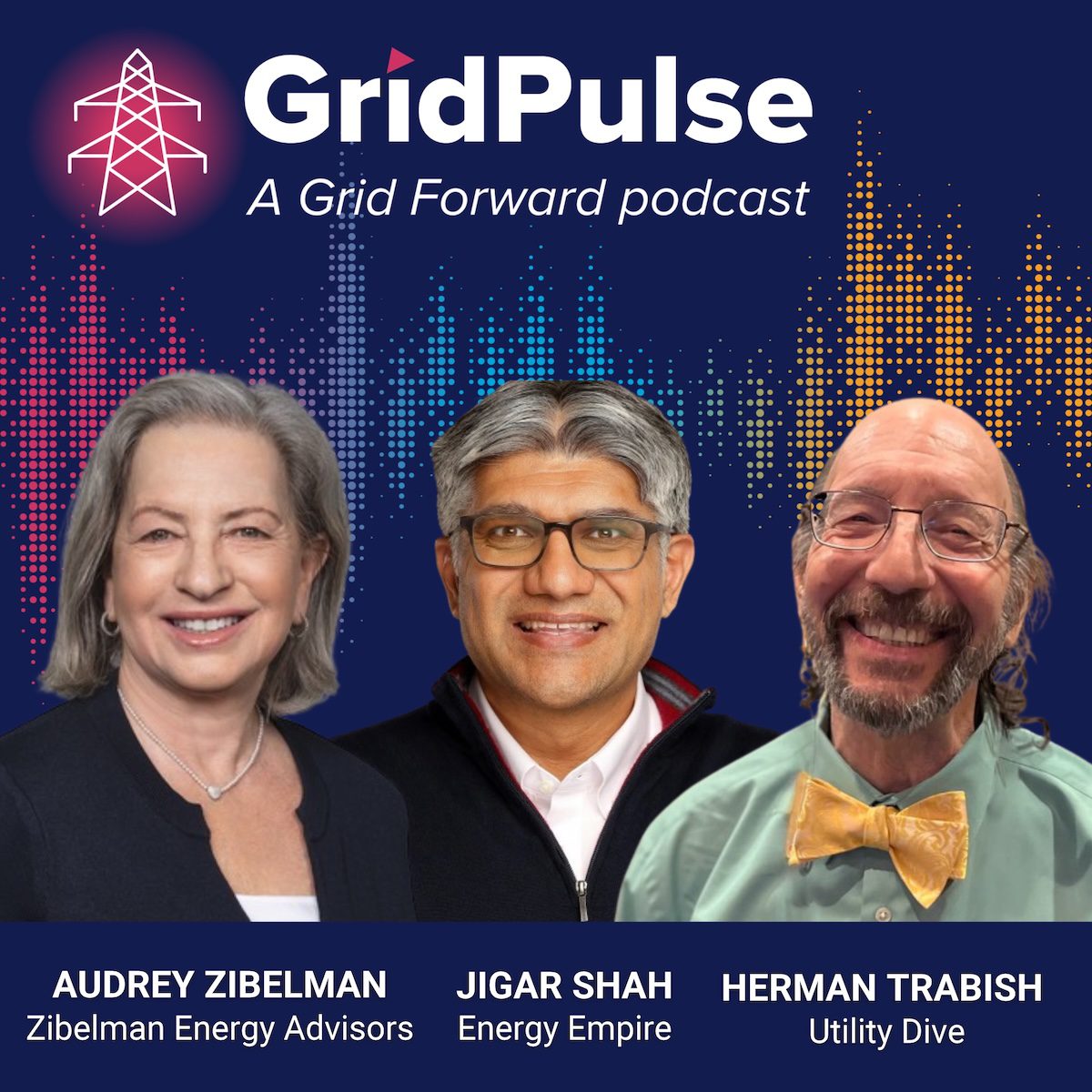
Season 7 Episode 15 – Jigar Shah, Audrey Zibelman, Herman Trabish
Can electricity become more affordable and reliable without fundamentally changing how we plan and invest in the grid? Bryce Yonker sits down with Jigar Shah (Energy Empire), Audrey Zibelman (Zibelman Energy Advisors) and Herman Trabish (Utility Dive) to wrestle with some of the industry’s toughest questions. They discuss:
…and much more! Don’t miss this rare opportunity to hear four grid veterans paint the really big picture for our energy system on GridPulse.
Thank you to our listeners for tuning in to our podcast over the past six years! And to our sponsor Virtual Peaker and all our guests, thank you for helping make 100 episodes possible!
Episode 14 – Allison Weis, Wood Mackenzie; Lukas Karapin-Springorum, Currence; Claudio Spadacini, Energy Dome; and Jason Evans, Antora Energy
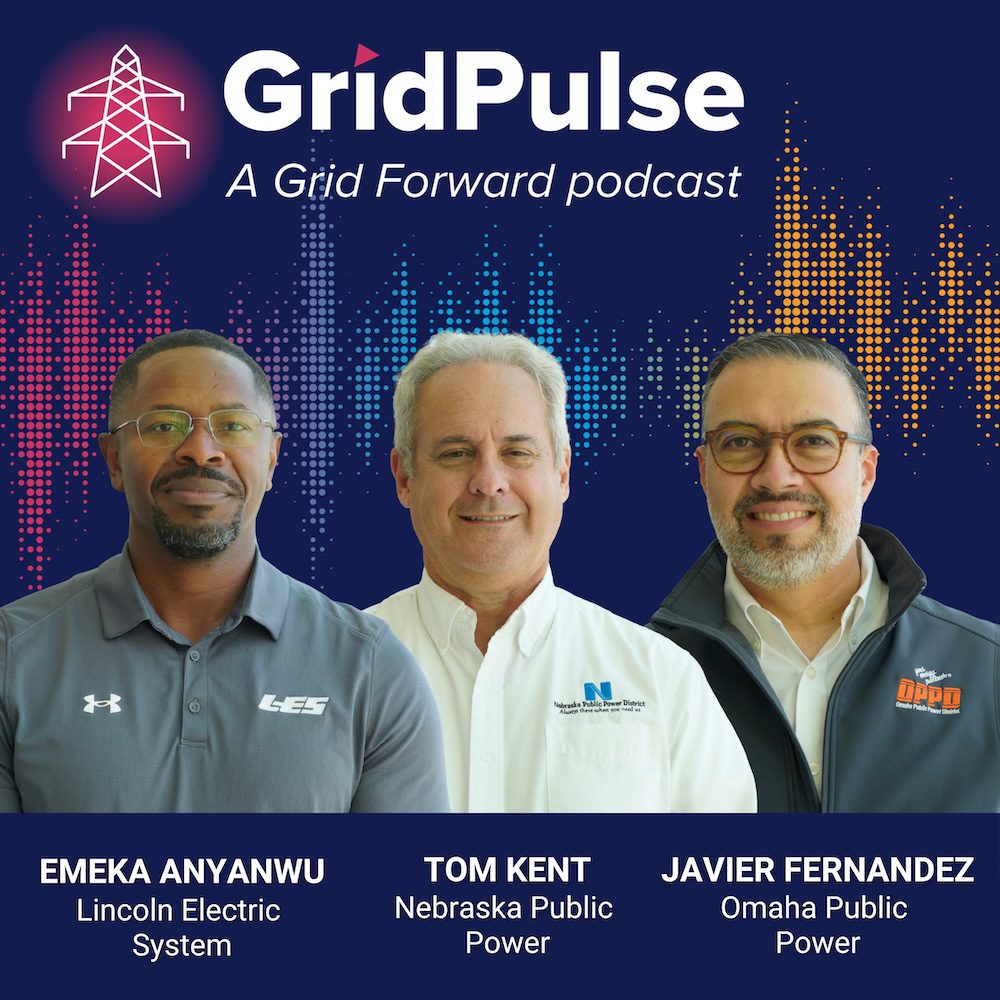
Episode 13 – Emeka Anyanwu, Lincoln Electric System; Tom Kent, Nebraska Public Power District, and Javier Fernandez, Omaha Public Power District
Consistently delivering affordable, reliable electricity is a hallmark of Nebraska’s public power utilities. How does that work, and how can the state maintain that track record? Three leaders from Nebraska public power utilities discuss how they are balancing costs, aging infrastructure and an increase in demand while ensuring communities continue to thrive. They also talk about grid modernization and how utilizing data and demand-side management can assist utilities in making wiser investments and give consumers more control over their energy use to save money.
Listen in as Emeka Anyanwu (CEO, Lincoln Electric System), Tom Kent (President & CEO, Nebraska Public Power District) and Javier Fernandez (President & CEO, Omaha Public Power District) explain the state of public power in Nebraska.
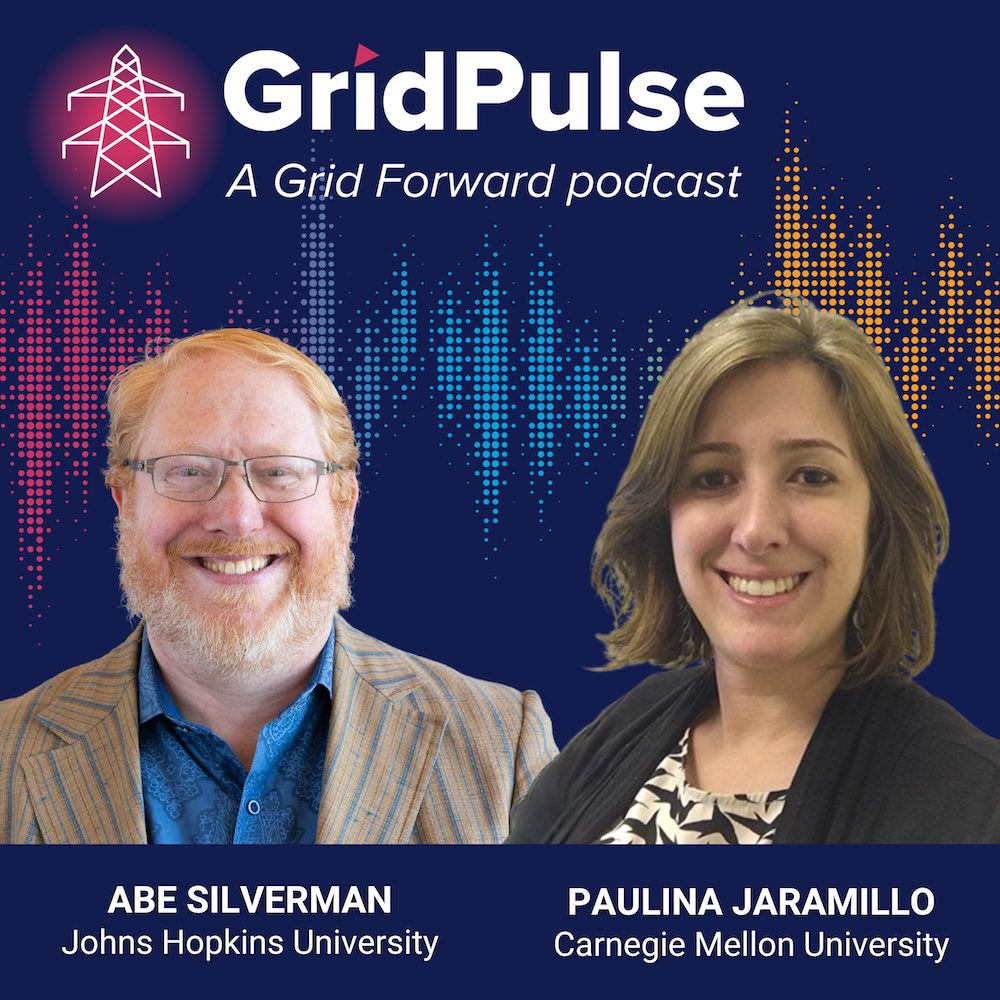
Episode 12 – Paulina Jaramillo of Carnegie Mellon University and Abe Silverman of Johns Hopkins University
For years, energy providers have operated on the basis that adding additional meters spreads energy costs and makes the grid more affordable for everyone. But is that true when a data center needs a city’s worth of electricity? Drawing on their current research in energy policy, markets and transitions, Paulina Jaramillo of Carnegie Mellon University and Abe Silverman of Johns Hopkins University discuss how rapid data center growth is challenging preconceptions about reliability and rates. They also talk about how flexibility, tariffs and new investment practices could keep the costs needed with rapid growth from falling on current customers.
Listen now – you won’t find a more informed discussion on the rising impact of data centers on the electric system.
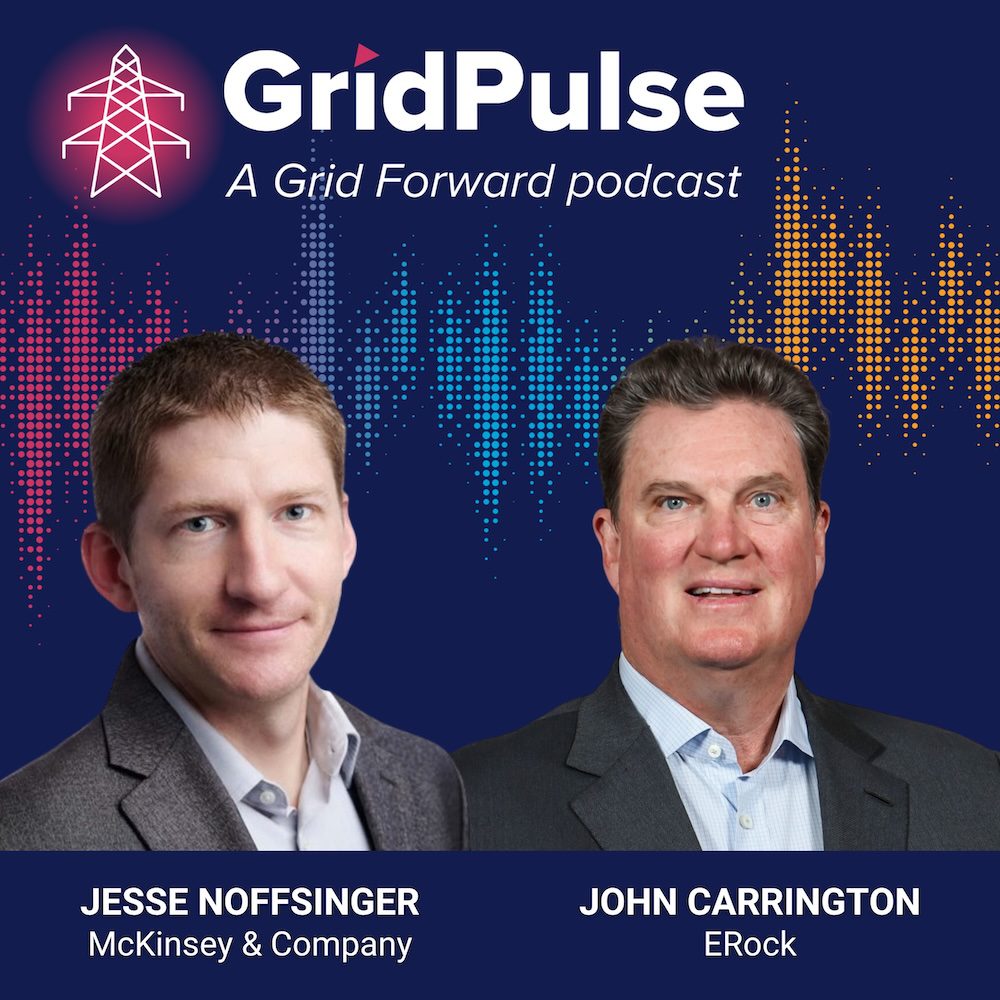
Episode 11 – John Carrington, CEO of ERock, and Jesse Noffsinger, Partner at McKinsey & Company
For large facilities scrambling to bring new energy capacity online, waiting several years for a new grid connection is not a viable option. John Carrington, CEO of ERock, and Jesse Noffsinger, Partner at McKinsey & Company, discuss current trends in behind-the-meter (BTM) generation and how it can provide a faster solution while utilities build needed grid connections. Over the long term however, BTM resources could shift from serving individual customers to supporting the larger power system. John and Jesse also explore the challenges that come with rapid growth on the grid, including supply chain constraints, complex large-load rate structures, and how costs and benefits should be shared.
Hear two expert viewpoints on this fast-evolving BTM area in this episode.
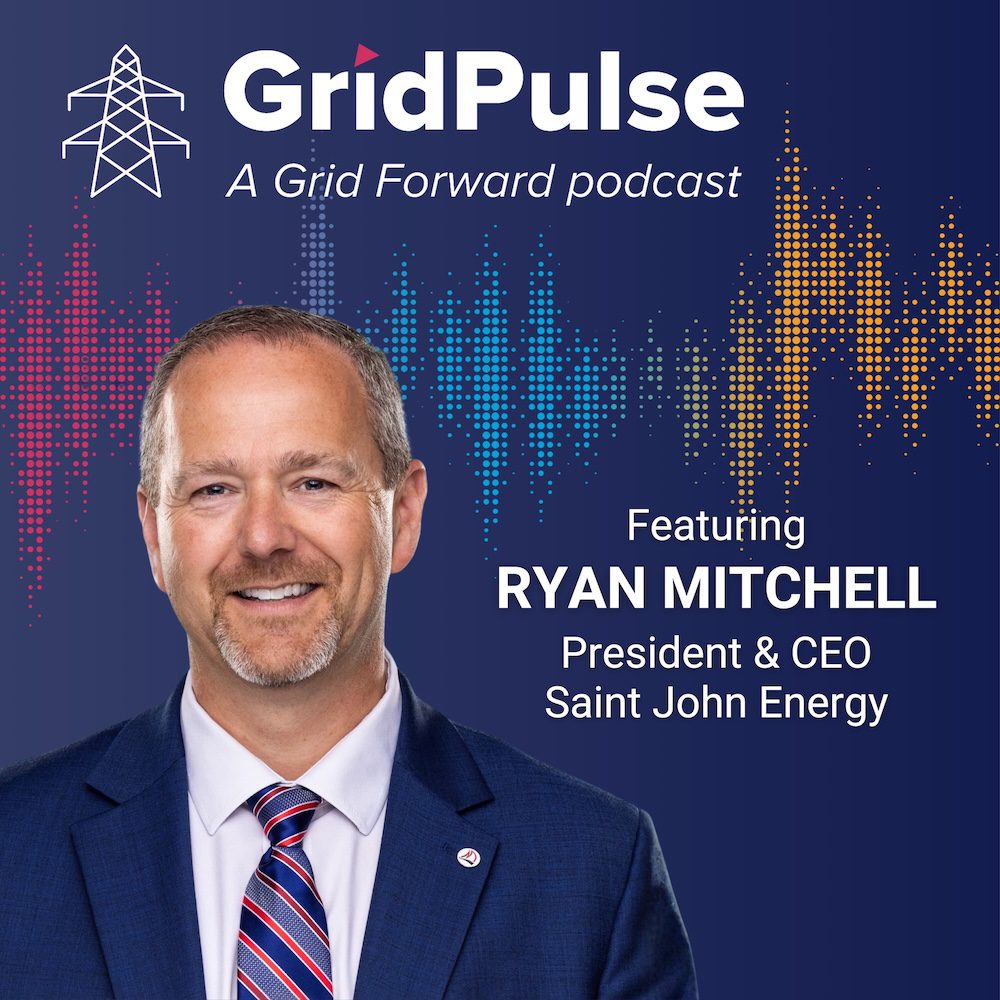
Episode 10 – Ryan Mitchell, CEO, Saint John Energy
Saint John Energy exemplifies how modernizing the distribution grid can be a productive path for greater affordability and resiliency. In this episode, CEO Ryan Mitchell shares how Saint John Energy has using a range of hardware and software innovations — such as renting high-effiiciency heating and deploying advanced demand management — to meet growing customer demand with the lowest rates in the region. He also discusses their new Plugin Labs, a digital twin of system data designed to give innovators and developers a safe environment to test new ideas before launching software solutions.
Listen in to this success story of grid modernization delivering power more efficiently and economically.
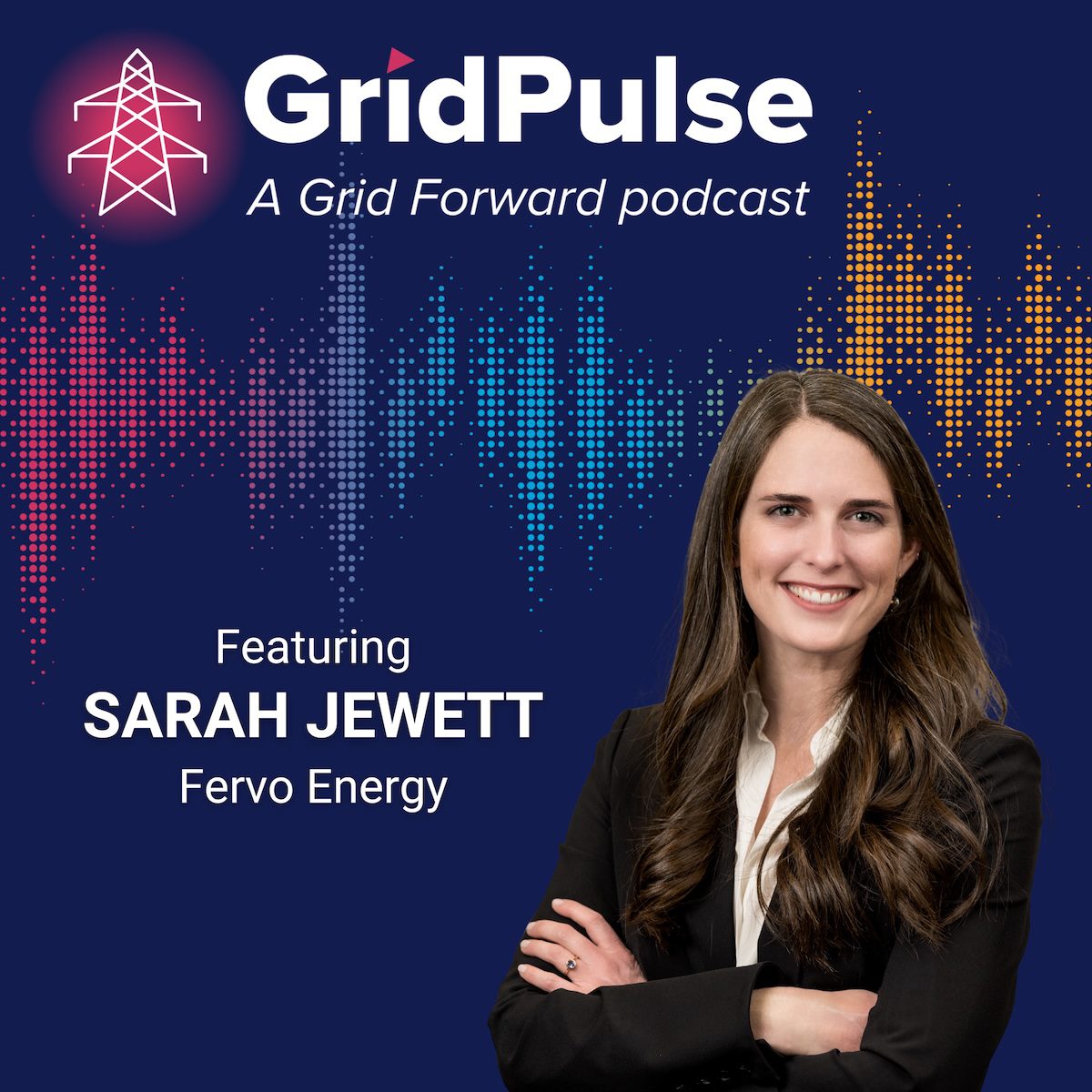
Episode 9 – Sarah Jewett, COO, Fervo Energy
As electricity demand continues to climb, geothermal energy is emerging as a key source of reliable, around-the-clock clean power. In this episode of GridPulse, Bryce Yonker sits down with Sarah Jewett, chief operating officer at Fervo Energy, to discuss how the company is scaling the next generation of geothermal power. Sarah explains how Fervo is applying technologies pioneered in the oil and gas sector to reduce costs and accelerate deployment. They also explore locational factors, timelines, permitting, and how enhanced geothermal is poised to play a major role in the future of the electric grid.
Don’t miss this excellent discussion of how next-generation geothermal can help shape a clean, reliable energy grid.
Episode 8 – Christopher Knittel of MIT and Ryan Hledik of The Brattle Group
Energy affordability is a growing problem across the commercial, industrial, and residential sectors. In this episode, Christopher Knittel of MIT and Ryan Hledik of The Brattle Group turn to recent research to unpack the many factors pushing up electricity prices, including infrastructure replacement, climate change impact, fast-growing demand and evolving energy policies. They then lay out potential solutions using grid flexibility and energy pricing to help manage costs while advancing a reliable, capable grid. You won’t find a better up-to-date explanation of the dynamic between energy affordability and grid modernization. Listen in!
Episode 7 – Zach Zimmerman from the AMP Coalition and Theodore Paradise at CTC Global
The ability to double grid capacity is here today, ready to work in existing transmission corridors. Get grounded in advanced reconductoring options in this episode with Zach Zimmerman from the AMP Coalition and Theodore Paradise, Chief Policy and Grid Strategy Office at CTC Global. They explain how advanced conductors can move more energy using existing poles and corridors or boost capacity of new projects. Utilities and grid operators can reduce grid expansion timelines, lower costs compared with new transmission builds, and even improve affordability. Listen in to this “technology whose time has come.”

Episode 6 – Kevin Joyce of Tesla, Jeff Quigley of Virtual Peaker, and Madeline Turner of Ohm Analytics
Virtual power plants (VPPs) are entering a new phase. Utilities and regulators are moving beyond pilot programs and enrollment metrics toward dispatchable distributed capacity that can reliably support the grid. At the same time, new policy frameworks, funding mechanisms, and technology capabilities are accelerating deployment. In this episode, leaders from Tesla (Kevin Joyce), Virtual Peaker (Jeff Quigley) and Ohm Analytics (Madeline Turner) explore how DERs, and especially storage, are being deployed at scale to provide fast, flexible capacity. They discuss the way these systems are already reducing pressures on costs, improving reliability and helping utilities respond to quickly shifting conditions. If you want to understand the full potential for VPPs, listen in now.
Episode 5 – Heather Rosentrater, CEO, Avista Corporation
As the energy landscape grows more complex, utilities see new technologies as critical to making electricity more clean, affordable and reliable. Yet how can they nurture innovation in a historically conservative industry? In this episode, Avista CEO Heather Rosentrater shares the ways her team is embedding innovation across the organization, not just within a single team, to navigating rising operational risks. Avista is empowering employees to rethink how work gets done, optimize business operations, and communicate with communities. If you’re looking for inspiration for how to make innovation integral to your organization, listen to Heather’s experience at Avista.
Episode 4 – Hannah Green, Global Operations & GTM Leader for Energy & Resources at Microsoft, and Rayford Smith, Global Head of Power and Energy for Cloud at Google.
As energy demand surges, tech giants are stepping up as key partners to utilities navigating a rapidly changing grid. At CERAWeek 2026, Bryce Yonker explored this topic speaking with Hanna Green, Global Operations & GTM Leader for Energy & Resources at Microsoft, and Raiford Smith, Global Head of Power and Energy for Cloud at Google. They detailed how digital infrastructure, the cloud and AI are reshaping how utilities plan and operate the grid. From faster forecasting to smarter operations, these technologies are unlocking new efficiencies. But as new tech become embedded in critical infrastructure, building trust through strong governance, transparency and accountability is increasingly essential. Listen in to understand the evolving dynamic between these two mission-critical industries and the path to “getting it right.”
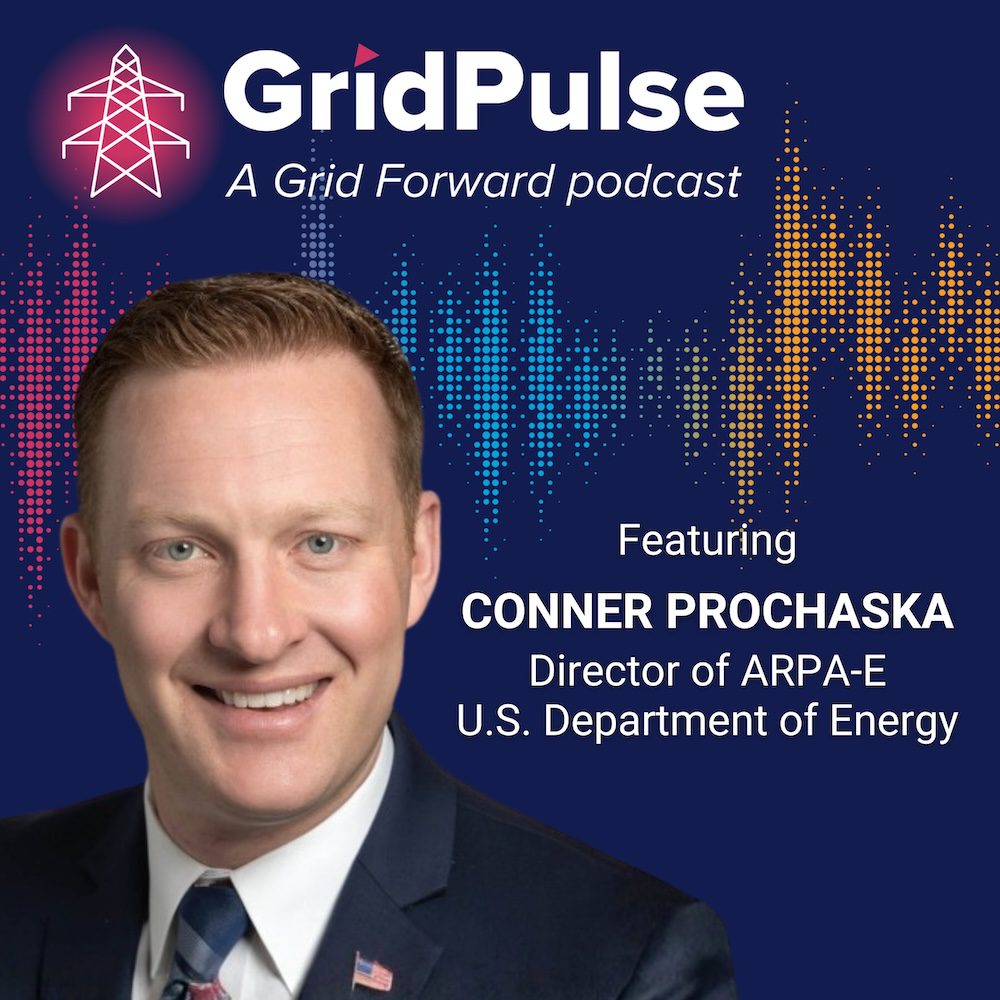
Episode 3 – Connor Prochaska, Director, ARPA-E
As energy demand surges, how is the U.S. Department of Energy supporting breakthrough technologies to strengthen grid resilience? ARPA-E Director Conor Prochaska shares how the agency is identifying and advancing high-impact solutions, including fusion (which he thinks is getting closer), advanced nuclear, next-generation geothermal, long duration storage and more to help meet growing demand. But technology alone isn’t enough. Prochaska also highlights the critical role of public-private partnerships and faster commercialization pathways in bringing these innovations to scale. We recorded this live at CERAWeek in Houston and will be joining the ARPA-E Energy Innovation Summit next week. Hope to see you in San Diego.
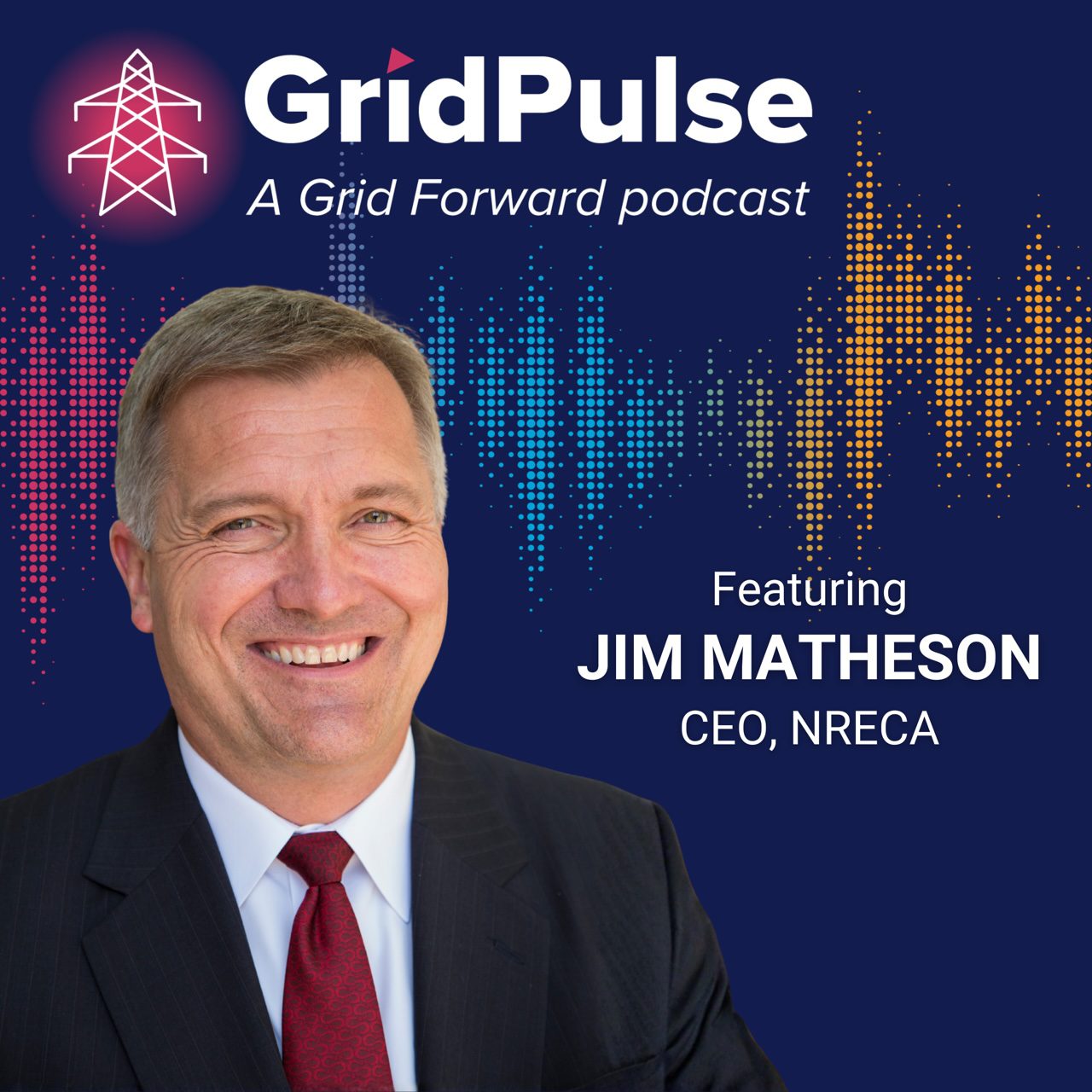
Episode 2 – Jim Matheson, CEO, NRECA
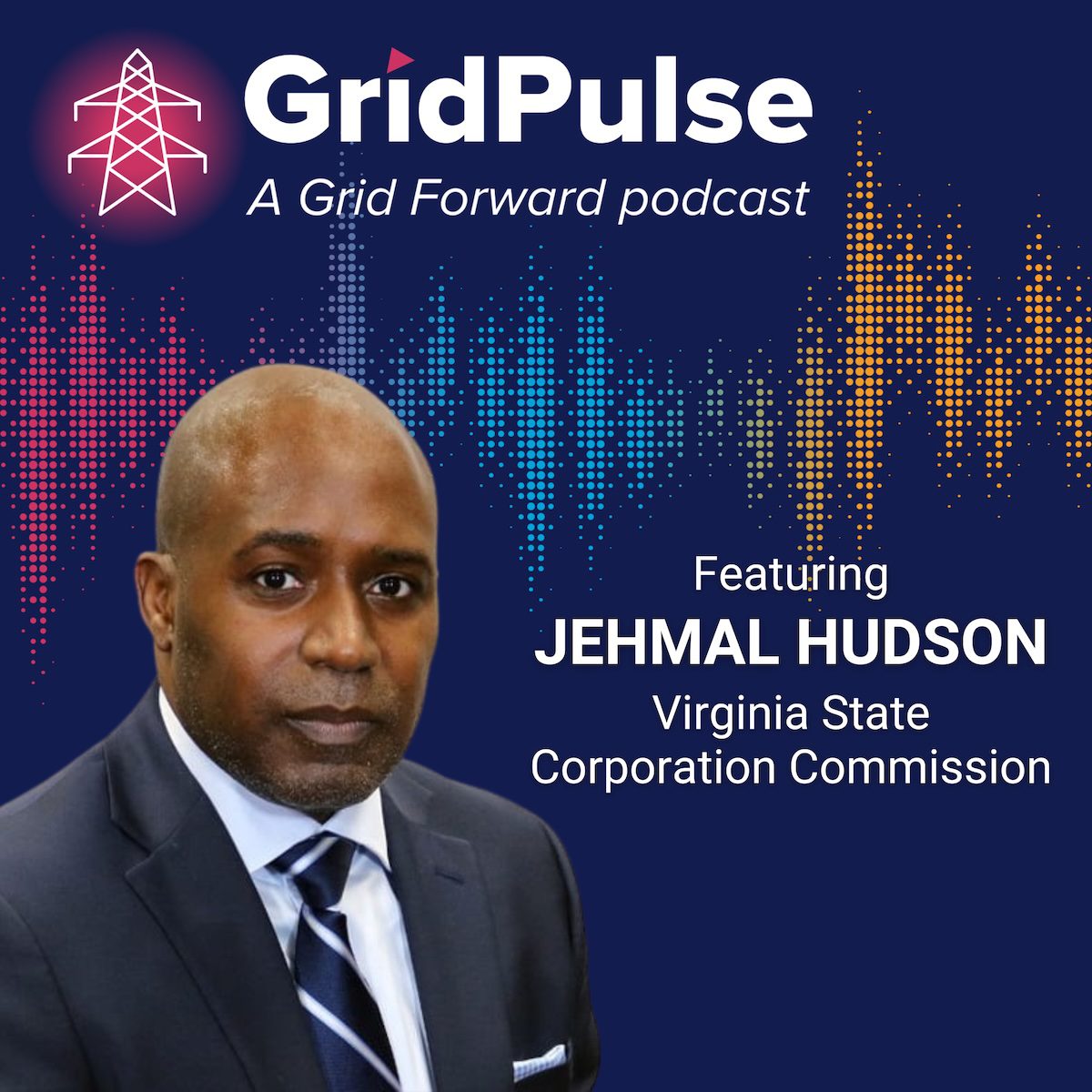
Episode 1 – Jehmal Hudson of Virginia State PCC

Episode 15 – Luis D’Acosta of Uplight

Episode 14 – Jason Glickman of PG&E, Bonnie Titone of Duke Energy and Peter Skantze of NextEra Energy Resources
On the first day of the GridFWD 2025 event, leadership from some of the nation’s largest and most AI-engaged utilities joined a panel to tell our audience about their acceleration of AI use cases. Jason Glickman (EVP Engineering, Planning and Strategy, PG&E), Bonnie Titone (Senior VP and Chief Administrative Officer, Duke Energy) and Petter Skantze (Senior VP of Infrastructure Development, NextEra Energy Resources) discuss how utilities and infrastructure developers can leverage AI for their own use and accommodate the added demand from large load customers, while ensuring that their systems remain resilient.
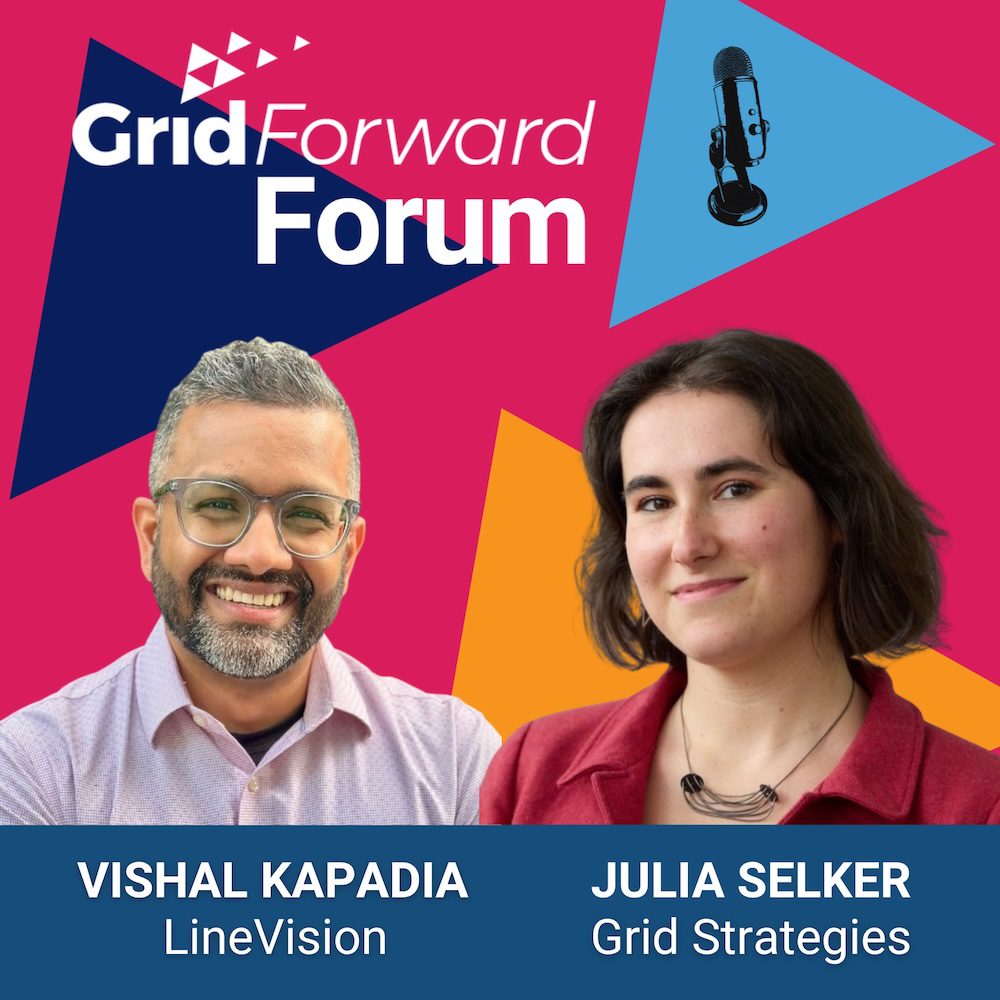
Episode 13 – Julia Selker of Grid Strategies and Vishal Kapadia, CEO of LineVision
Dynamic line rating (DLR) is a Grid Enhancing Technology (GET) that measures the impact of ambient conditions on the carrying capacity of a grid. When DLR is employed network wide, it improves asset utilization, reliability, resilience, and confidence in investments. Guest host Julia Selker of Grid Strategies and Vishal Kapadia, CEO of LineVision, discuss how the successful implementation of DLR can save millions of dollars, identify grid weaknesses, and help meet the need for increased capacity.

Episode 12 – Dr. William (Bill) Burke, CEO, Virtual Peaker; Jessica Matlock, CEO, PNGC Power; and Darren Murtaugh, Director of Electric Distribution Strategy, ICF.
Increasing flexibility on the electric grid is necessary as demand and capacity requirements rapidly rise. Diversifying generation portfolios with emerging technologies is a good start, and significant T&D investments in innovations like virtual power plants can help match supply with demand. Cost, construction, and timing are often challenges to increasing flexibility; therefore, what solutions are going to make the most impact to help meet energy needs? Joining us to discuss these important topics about flexibility are Dr. William (Bill) Burke, CEO at Virtual Peaker, Jessica Matlock, CEO at PNGC Power, and Darren Murtaugh, Director of Electric Distribution Strategy at ICF.

Episode 11: Brian Janous of Cloverleaf Infrastructure, and Chris Pennington of Iron Mountain Data Centers
Power demand from data centers is clearly increasing faster than current electric infrastructure and markets can accommodate. Therefore, data centers and grid operators are exploring one workaround: flexing data center loads during peak demand times. Brian Janous, of Cloverleaf Infrastructure, and Chris Pennington, of Iron Mountain Data Centers, discuss the current opportunities and challenges to data center flexibility. For example, there are options for moving workloads among facilities and leveraging the improving capabilities of battery storage. On the other hand, demand response is not a major business driver. The industry needs to define relatively simple solutions that can be deployed at scale to meet market demand.

Episode 10: Rudy Garza, CPS Energy and David Naylor, Rayburn Electric
In this episode of Grid Forward Forum, host Bryce Yonker speaks with Rudy Garza (CPS Energy) and David Naylor (Rayburn Electric Cooperative) about the urgent challenges and innovations in the Texas energy sector. They explore topics like grid modernization, the impact of Winter Storm Uri, growing demand from data centers, and how Texas utilities are going to have to invest billions to keep up while working to maintain affordability and reliability.
Please join us in helping provide disaster relief for the communities impacted by recent flooding in Kerr County by contributing to the Salvation Army Kerrville and the Kerr County Flood Relief Fund.

Episode 9: David Terry, NASEO
State energy offices have a delicate balancing act in leading policy, tracking market signals, and encouraging economic development. All that is harder now that load growth is accelerating. David Terry, the president of National Association of State Energy Officials (NASEO) , discusses trends within state energy offices to help get energy onto the grid quickly to grow the economy while meeting community concerns. David and Bryce discuss how new approaches such as grid enhancing technologies, automated load management and long-duration energy storage provide new pathways. Listen in to this insider perspective on how the state energy offices are learning more, planning better and adjusting to new federal energy priorities.

Episode 8: Will Perrich and Stephen White, POWER Engineers, Member of WSP
Since 2020, supply chain shortages have delayed the progress of necessary grid infrastructure improvements. Consolidation in the industry means fewer vendors are available which drives up prices, extends lead times and limits capacity, especially as worldwide demand increases. Will Perrich and Stephen White of POWER Engineers (member of WSP) provide an insider’s view to current constraints on the market and what needs to be done to alleviate them. Their answers cover the gamut from standardization of key components (regionally or nationally) to changing how utilities retain inventory and plan projects. The discussion ends with a rapid fire round of rating how difficult it is to procure different grid components.

Episode 7: Steven Ashby, PNNL
Pacific Northwest National Laboratory (PNNL) draws on signature fundamental capabilities to advance scientific discovery, improve energy resiliency, and enhance national security. On this podcast episode, Laboratory Director Steven Ashby, Ph.D., discusses key drivers and challenges that are steering the lab’s important work regarding grid resiliency and affordability. Ashby also tells our listeners about the new Grid Storage Launchpad, a one-of-a-kind Department of Energy facility to develop and test novel battery concepts at scale in a safe environment. Of course, with all these emerging technologies, there are inherent risks—wildfires, and cyberattacks to name a few. Ashby discusses these risks and the ways PNNL is working together with the industry (including by leveraging novel AI capabilities) to quantify and combat problems that can be addressed by advancing the grid.

Episode 6: Mike Miller of Exo and ASCE
Energy infrastructure received a grade of D+ in the 2025 Report for America’s Infrastructure, published by American Society of Civil Engineers. Bryce Yonker discusses why the energy sector received a low rating with Michael Miller, vice president of technical services at Exo and a member of ASCE. Miller says the four main factors that contributed to the grade include higher load growth, systems operating closer to limits, challenges to distribution grids, and the public’s lower tolerance for power outages. Miller discusses best practices for asset inspections, the need to have a national standards, and how state legislatures can have a positive impact on hardening America’s energy infrastructure.

Episode 5: Bryan Hannegan and Mark Gabriel
With consumer needs and capabilities rapidly evolving, many electric co-ops are quickly pushing grid advancements to meet current and future demands. On this podcast episode, Bryan Hannegan, president/CEO of Holy Cross Energy, and Mark Gabriel, president/CEO of United Power, Inc., discuss how they prioritize tasks as leaders of their respective utilities during a time of transition from a hub-and-spoke business model to one more like a distributed system operator. Hear how they are using battery storage, demand flexibility, satellite data, AI, drones and other new techniques to expand flexibility, improve service and keep costs down. With the energy landscape rapidly changing, Bryan and Mark are building cultures of innovation and creativity that attract new talent and provide a greater return of investment for all their members.

Episode 4: Dave Danner
Balancing various stakeholder interests while ensuring affordable, reliable power is the daunting task commissioners face. We spoke with Dave Danner, former commissioner at Washington UTC, about how to balance affordability against all the other demands on today’s utilities. He knows: his state of Washington has experienced an increase in wildfire risks, rising rate pressures and mounting legislation to advance clean energy, all while needing to build additional transmission. Dave explains the role of the commission to consider each potential investment, support new business models, improvements in regulation, and much more.

Episode 3: U.S. Rep. Fedorchak
Even as energy rates have steadily risen, reliability has suffered in many parts of the country over the past five years. What is the new Congress prioritizing to help alleviate this challenge? For insights, we turned to U.S. Rep. Julie Fedorchak (R, N.D.), member of the House Committee on Energy and Commerce who also served as past president of NARUC and Commissioner of the North Dakota PSC.
Talking with Bryce Yonker, Rep. Fedorchak discusses the need to approach grid modernization with a healthy dose of common sense—don’t retire energy assets too early, look at the lowest cost solutions and ensure any incentives are directed toward those who really need them. The Congresswoman also discusses onshoring the production of grid components, updating the tax code, using a ’scalpel’ to reduce federal expenditures and how to meet energy needs driven by AI increased demands.
Rep. Fedorchak’s office has an open Request for Information (RFI) available for download requesting insights around the energy requirements from the expanding AI industry.

Episode 2: Watch Duty’s Nick Russell
When disaster strikes, situational awareness and timely information save lives and property. That’s why Watch Duty was the most downloaded iOS app during three recent wildfire events. Nick Russell, Vice President of Operations, joined the podcast to discuss how this nonprofit receives and transmits information to support local responders and utilities before, during and after a disaster strikes. Procurement, validation, and accurate communication takes a large team of people, but with timely information comes the potential to improve readiness and response to wildfires.

Episode 1: Amperon’s Sean Kelly and AWS’s Xing Wang
In this season-opener of “GridForward Forum,” we are joined by two special guests: Sean Kelly, co-founder & CEO at Amperon, and Xing Wang, global leader of grid modernization at AWS Energy and Utilities. The expansion of energy generation and transmission is a top priority for the grid landscape. Although artificial intelligence is largely driving the need for this growth, AI is also the tool that can be used to help solve many of the major energy challenges. Sean Kelly and Xing Wang discuss how AI is being used to improve forecasting despite weather extremes, streamline complex processes to shorten permitting time and interconnection queues, and provide predictive analytics and solutions for operators in real time. The era of AI on the grid is here.
Grid Forward is hosting its main GridFWD event Oct 6-8 in Monterey focused on the role of AI for the grid. Hope to see anyone interested in and working on this area there with us. Find more information here >>
In this first special episode, Bryce chats with Kellie Donnelly, Executive Vice President & General Counsel of Lot Sixteen and a long time lead staff person for the Senate Energy and Natural Resources Committee and other Hill positions. They cover how an incoming Trump administration might shift energy policy, impact key federal agencies, and change national energy priorities. Bryce and Kellie also discuss how the Republican Congress may bring back the reconciliation process in a package bill, implications of the Congressional Review Act, and how grid innovation may be impacted under the returning administration.
In this second special episode, Neil Chatterjee, former FERC Chairman, overviews the impact to IRA and other significant energy legislation. He also talks about the importance of permitting reforms in light of the surge of energy demands for AI, how the incoming administration will focus on expansion of all forms of domestic energy production, and what it means for the U.S. to target ‘energy dominance’.
In this season finale, Ruth Gratzke, President of Siemens Smart Infrastructure in the United States, looks back at the state of the grid in 2024 and how the industry should be planning for future needs. In rapid-fire fashion, Bryce asks Ruth about topics from each of the podcast’s episodes in Season 5 to discuss:
The digital economy, and especially data centers, have become integral to our lives. And with that digital growth comes increased energy demand. Google’s Briana Kobor joins the podcast to discuss how Google’s significant energy demand can increasingly be served effectively by clean energy offerings. Briana discusses the Clean Transition Tariff (CTT) and how important it is for large energy-consuming customers to bring creative solutions for clean energy working directly with electric grid utility operators. The discussion also highlights what it looks like for Google, and other data center operators, to bring more energy flexibility to the table. Listen in to hear where the world driven by innovation at Google meets the reality of operating grid systems.
By nature, utilities are risk adverse. Because of this, some are hesitant to accept innovative solutions to grid modernization. Strong efforts are needed to publicize the positive benefits of rate changes, data sharing and integrated planning. Part two of this discussion with Rich Sedano of Regulatory Assistance Project (RAP) and Danielle Sass Byrnett of NARUC focuses on how state commissions and stakeholders can work together to efficiently and positively advance changes to the grid.
Using performance-based regulatory incentives for energy efficiency proved to be successful. Should similar incentives be created for reliability? In part one of this discussion, Rich Sedano, of Regulatory Assistance Project, and Danielle Sass Byrnett, of NARUC, discuss how performance-based incentives set by state commissions may accelerate innovation and provide clearer direction to utilities for grid modernization. They also discuss advanced rate structures that move innovation forward while keeping electricity affordable for the ratepayer.
Sacramento Municipal Utility District (SMUD) is determined to offer 100% carbon-free energy by 2030, while maintaining world-class reliability at an affordable rate. To achieve this ambitious goal, SMUD is working with both a number of innovators to advance carbon-free energy technologies, while also asking their customers to partner with them in advanced flexibility solutions. SMUD’s CEO & General Manager Paul Lau also discusses leveraging federal resources, the impact of policy and what they are learning on the front lines of their decarbonization journey as well as addressing energy equity, company culture and what kind of a legacy he looks to leave with the industry.
This episode dives into Ford Motor Company’s approach to the future of mobility through electrification and grid connectivity. We examine the company’s recent initiatives, including new electric models, investment in EV infrastructure, and partnerships aimed at accelerating the transition to electric vehicles. Learn about the innovations Ford is bringing to the market and how they plan to meet the increasing demand for cleaner, more efficient transportation and energy options. Listen in as Ryan O’Gorman, who has 20-plus years of experience at Ford, gives an insider’s view on Ford’s commitment to sustainability and technological excellence in the EV space.
Pairing batteries with sophisticated grid controls offers the flexibility to provide multiple sources of value depending on where the battery is located and how it is utilized. Tim Allen, president and CEO of PXiSE Energy Solutions, joined Bryce on the podcast to discuss how advanced controls and markets for energy storage can overcome barriers to an efficient, decarbonized grid. Battery capacity, value definition, resource flexibility, asset utilization and federal incentives are all rapidly evolving, giving transmission and distribution entities new ways to meet competing objectives.
David Crane, Under Secretary for Infrastructure at the U.S. Department of Energy (DOE), joined the podcast to discuss how DOE is supporting the advancement of grid infrastructure. David discusses DOE financial and manufacturing incentives to support commercialization that is spurring progress in the industry and across the clean energy ecosystem. To help the scale up of the clean energy transition, their focus remains on three things: efficiency, electrification, and zero carbon generation sources.
Regulatory requirements for cybersecurity are a top priority; however, regulations only cover a minimum level of security needed. Compliance to regulations does not equal security because each organization’s risks differ. On this episode guest host Steven Parker of EnergySec and Jim Schultz of Black & Veatch discuss frameworks that organizations can use to help protect themselves against the threat of cyberattacks and how assessing organizational risk tolerance can produce a customized set of standards that companies can strive to attain.
Maintaining a flexible energy grid is critical to modern day power. Decarbonation goals, policy changes and a migration of people due to the pandemic have all drastically changed the landscape of power supply needs in recent years. On top of that, consumers are adopting distributive energy resources, or DERs, causing the grid to no longer be a one-way system from generation to load. Instead, power sources are coming into the grid from all directions. How can power grid operators ensure DERs at scale are orchestrated to their maximum potential? How are DERs being utilized on the grid today? Listen in as Brenda Chew, director of product management at Virtual Peaker, and Franco Albi, director of regional integration at Portland General Electric, discuss the benefits of the virtual power plants (VPPs) in lowering cost, creating grid flexibility and reaching decarbonization goals.
Artificial Intelligence has the potential to accelerate innovation in the energy grid in terms of resiliency, decarbonization and security. AI has already shown how it can analyze vast amounts of data to help grid operators make near-real-time decisions. As the grid digitizes, AI can help the industry make full use of all its energy resources and infrastructure. However, change is hard, and not everyone is comfortable with integrating AI into the electric sector. What are the main hurdles? How can the industry move forward towards a “software defined” grid in which AI models help utilities meet their goals? Guest host Hanna Grene of Microsoft leads this conversation with Marissa Hummon, CTO of Utilidata, and Marc Spieler, Sr. Director of Energy at NVIDIA.
Demand for electricity has exploded over the past several years, and nowhere more so than at Arizona Public Service Company. Grid hardening, storage solutions, flexible rates, transmission projects, federal investments — all of these are part of the solution to make the grid ready for escalating demand. Yet progress needs to be scalable and affordable to meet the needs in the west and across the country. Listen in as Jeff Guldner, the leader of APS, and Philip Moeller, Executive VP at Edison Electric Institute, talk about the whole toolkit, from new market structures to successful DER programs.
The National Association of State Utility Consumer Advocates (NASUCA) represents the interests of utility consumers before state and federal regulators and in the courts. David Springe, Executive Director of NASUCA, discusses how modernizing the grid impacts affordability for the consumer. As infrastructure ages and electrification needs change, modernizing the grid is mandatory. However, these changes bring up issues concerning rate pressure, decarbonization versus lowest cost models, data centers, federal dollars, and resiliency. David discusses all this and more on this podcast episode.
On this episode, we have three leaders from organized energy markets to address the shifting dynamics within the industry. They discuss which technologies are being developed in their various regions and how those assets are impacting the energy market. Bryce also asks our guests what they are doing to combat volatilities due to peak loads often being met. Of course, the impact of policy and regulations can either benefit or hinder the energy market. Oftentimes, the biggest challenges are social, environmental and industrial development policies, rather than energy-focused policies. The guests wrap up this episode by discussing modernization, evolving energy markets, the importance of diverse resources and the upward curve of demand.
Our guests for this episode are: Michael Law, president and CEO of Alberta Electric System Operator; Barbara Sugg, president and CEO of Southwest Power Pool; and Pablo Vegas, president and CEO of Electric Reliability Council of Texas
To kick off this podcast season we have Whitney Muse, Senior Policy Advisor at the White House in the Office of Clean Energy Innovation and Implementation for a conversation about the federal toolkit of resources that are in place to help advance the grid. This includes billions of dollars from grants, tax credits, loans and financing for infrastructure expansion, resilience, and the clean energy transition. In addition to this, incentives are available for domestic, clean manufacturing of grid components, and there are special efforts to focus on workforce development and energy justice. Whitney also highlights some of the flagship work at the national labs, efforts supporting increased energy demand from electrification, and the role of AI on the grid. Don’t miss this wide ranging conversation of the federal support in motion to assist in modernizing the grid.
Even though Exelon is the largest energy delivery company in America, the company is committed to investing in local communities and helping all of their operating utilities achieve their goals. CEO Calvin Butler discusses how Exelon turns government policies into action and how it has also applied for $700 million in federal funding for infrastructure projects to address the needs of individual communities. While some grants will help close the digital divide, and others help counties achieve decarbonization goals, all are aligned to the effort to modernize the grid. Calvin also discusses how the company is progressing towards becoming net zero by 2050, driving new innovation ahead while ensuring delivery of reliable and affordable power.
Guest host Devin Hampton, CEO of UtilityAPI and Grid Forward board member, takes the mic for this chat with Calvin.
What are the barriers to building transmission infrastructure? We know them well as planning, permitting, and paying. Rob Gramlich (founder and president of Grid Strategies LLC, executive director of Americans for a Clean Energy Grid and executive director of the WATT Coalition) joins the former chairman of the Federal Energy Regulatory Commission Rich Glick to unpack the complexities behind these barriers and update our listeners to the rulemaking that is in process to overcome these barriers. They also discuss how the tension between landowners and stakeholder interests can be balanced to reasonably move transmission development forward. To meet clean energy goals, stakeholders and policy makers must keep their eyes focused on this important issue.
This special episode of Grid Forward Chats starts with a conversation with Katherine Blunt, a reporter from the Wall Street Journal. Katherine recently published book California Burning which has been widely read and details PG&E in regard to the devastating California wildfires. Katherine and Bryce talk about lessons that grid stakeholders are learning as wildfires have increasing impact on energy systems, what the toolkit of mitigating wildfire risk looks like, and how utilities and various energy stakeholders can work together to address the increasing risks of wildfire relating to grid infrastructure.
In the second part of the episode Bryce talks with LiAnne Drissen with Trilogy Excursions one of the largest Lahaina companies and saw first hand the devastation from the recent Maui wildfires. LiAnne recounts the impact of the wildfires on her family, the company and the wider community. If you would be interested to join us in contributing toward the long road ahead for Lahaina recovery please consider donations to:
Henry Sanderson, Executive Director of Benchmark Mineral Intelligence and author Volt Rush, wrote the book after he became aware of the scale of the resources needed for the clean energy transition. For the supply chain to provide the materials necessary for next-generation batteries, sourcing needs to be diversified to decrease risk. Geopolitical issues must also be considered when creating a stable supply chain for the future. Automations may alleviate some supply chain pressure and allow the cost of materials to remain affordable. Henry also discusses how government policies and investments impact the speed and support behind the clean energy transition.
Debra Smith, the General Manager and CEO of Seattle City Light, interviews Mike Hummel after his recent retirement as general manager and CEO of Salt River Project. They reflect on how the industry has changed during his career and look ahead to the exciting advancements SRP will make to provide clean, reliable energy to its customers. Mike shares about his career including some of his proudest accomplishments, lessons learned along the journey, and keys to leading others well.
On this episode Grid Forward Advisor and guest host Ann McCabe, commissioner with the Illinois Commerce Commission, interviews Audrey Zibelman, former market operator in Australia, former regulator in NY, former investor at Google X, now an advisor to clean tech companies and organizations. They discuss how the industry can prepare the grid for future flexibility, while also protecting the interests of consumers. As higher levels of renewable energy sources are integrated into the power grid, the need for grid flexibility becomes more urgent. Consumers are showing that they will drive much of the clean energy transition, with or without government and utility incentives. Therefore, the grid must be ready for the transition as consumers decide to electrify their homes, vehicles and more. How can regulators and other key grid stakeholders keep up with the demands on the system? Listen in to learn more.
How do we modernize the grid when fast-moving technology innovation hits the seemingly glacial pace of change in regulated markets like energy? To explore that quandary we gathered the CEOs of an earlier stage, a growth stage and a later stage innovative grid solutions companies. Kaitlyn Albertoli of Buzz Solutions, Bill Burke of Virtual Peaker and Josh Wong of GE Digital. Listen in as they dive into market barriers, utility adoption cycle, culture of innovation, funding landscape and more. Can utilities break through the ‘death by pilot’ dilemma? Can promising solutions companies navigate complex approvals processes? How do solutions scale to meaningful commercial levels? We cover the key issues related to what it takes for game-changing solutions to come onto the electric grid.
In this edition we explore the role of small modular nuclears (SMRs) in the energy system by talking with two industry veterans. Clayton Scott is EVP at NuScale Power, the first SMR company to receive Nuclear Regulatory Commission design approval. Ben Porath is COO at Dairyland Power Cooperative, a Midwest co-op looking to deploy SMRs on its grid. The two discuss the promise of modular nuclear power, how these systems fit into a changing energy mix, cost, safety, grid resiliency, system flexibility and more. Will SMRs play a significant role on the grid in the next 10 years? Listen in to decide for yourself. This episode hosted by Virtual Peaker.
The Evergreen State has long pioneered efforts to advance the energy system. In this episode we talk with the U.S.’s longest standing governor, Jay Inslee of the state of Washington. Gov. Inslee is truly a leader on issues related to energy and the grid. We discuss the priorities for the state’s energy system, how the federal resources will impact the grid in the state, the role of state regulators, the importance of innovation, economic development opportunities and more. All of the efforts for the governor align to make sure states can do their part to progress climate action — progress he is confident we can achieve together.
To start season 4 of the Grid Forward Chats podcast, we sit down with Jon Creyts, the new CEO of RMI. He discusses how to ensure the energy system aligns to the requirements for the climate in light of roughly $110 billion a year coming into the system over the next five to ten years thanks to recent federal legislation combined with peak oil demand occurring in regions across the world. From virtual power and decarbonized heavy industry to hydrogen and transmission, listen in to this wide-ranging discussion on the key pillars of the energy transition in the near to mid-term. This transition requires various stakeholders row in the same direction, and Jon lays out his thoughts regarding the central role that the grid plays.
Episode 11 – PG&E’s Efforts to Increase Resiliency and Serve Customers Better with Patricia K. Poppe, Chief Executive Officer of PG&E Corporation
Episode 10 – Strengthening Our Problem-Solving Skills with Diversity with Paula Gold-Williams, President and CEO of CPS Energy, and Jackie Flowers, director & CEO at Tacoma Public Utilities
Episode 9 – Improving Reliability and Accelerating Innovation in a Brave Little State with Mari McClure, president and CEO, Green Mountain Power
Episode 8 – Inflation Reduction Act Has Passed — What’s in it for the Grid? with Catherine Morehouse of Politico and Jeff St John from Canary Media
Episode 7 – Planning Resources for Transportation Electrification in California with California Public Utilities Commissioner Clifford Rechtschaffen and California Energy Commissioner Siva Gunda
Episode 6 – Are we Investing Enough in The Grid with Gary Rackliffe, VP market development and innovation at Hitachi Energy, and Sanjeet Sanghera, head of grids and utilities at BloombergNEF
Episode 5 – Modernizing the Grid after the Infrastructure Investment and Jobs Act of 2021 with U.S. Sen. Lisa Murkowski
Episode 4 – How Can we Keep Pace with the Rate of Grid Transition with Snohomish County PUD General Manager John Haarlow and Chief Policy Officer of Sunrun Ann Hoskins
Episode 3 – Grid Transformation in a Deregulated Energy Market with Mischa Steiner of Awesense chats with Jana Mosley President of ENMAX Power
Episode 2 – Microgrids Around The World Are Changing The Power Grid with Terry Mohn of General Microgrids and Hamideh Bitaraf of Hitachi Energy
Episode 1 – Trends in Grid Innovation Investments with Hans Kobler of Energy Impact Partners
Episode 17 – DOE is Serious about Advancing the Grid with U.S. DOE Deputy Secretary David Turk
Episode 16 – Energy in Motion in Europe: Markets, Transition, & Recovery with Laurent Segalen, investor and founder, Megawatt X
Episode 15 – Long-Duration Energy Storage Goes Public at ESS with CEO Eric Dresselhuys
Episode 14 – Republican Perspectives on Climate and Energy Transition with Conservative Climate Caucus Chair Rep. John Curtis
Episode 13 – Getting to Carbon Negative By 2030 — How Does Microsoft Plan to Get There with Brian Janous, General Manager of Energy and Renewables at Microsoft
Episode 12 – Fusion Energy in the Era of Renewables with General Fusion CEO Jay Brister and board member Wal Van Lierop
Episode 11 – What’s at the Core of the Energy Transition with Peter Fox Penner, author of author of the 2020 book Power After Carbon
Episode 10 – Commercial Funding for Grid Innovation with Jigar Shah, director of the U.S. Department of Energy Loan Office
Episode 9 – What Grid Operators Can Do For Decarbonization of Electric Systems with Michael Pesin, Deputy Assistant Secretary of the U.S. Dept. of Energy, Jennifer Potter, Hawaii PUC Commissioner; and Bill Ritter, former Colorado Governor and Director, Center for New Energy Economy
Episode 8 – Energy and Climate Take Center Stage in Washington State Legislative Session with Representative Joe Fitzgibbon, leader of the the Washington State House Energy & Environment Committee
Episode 7 – Federal Funding for Grid Modernization with Karen Wayland, CEO GridWise Alliance
Episode 6 – Resiliency, Resource Diversiy and Lessons from the Last Year with CAISO President and CEO Elliot Mainzer (part 2)
Episode 5 – Near-Term Priorities and the Role of Regional Markets with CAISO President and CEO Elliot Mainzer (part 1)
Episode 4 – Taking Any Asset into Any Market with Surya Panditi, CEO of Enel X North America
Episode 3 – Beyond 2222: The Legacy of Commissioner Chatterjee at FERC with Commissioner Neil Chatterjee
Episode 2 – Making Sure FERC 2222 Meets Its Potential in a Future with Energy Storage with Dr. Ryan Wartena, VP of Strategy at Q CELLS.
Episode 1 – Driving Innovation with Authentic Leadership with Debra Smith, general manager and CEO of Seattle City Light, and Paula Gold Williams the President & CEO of CPS Energy
Episode 14 – Creating the Grid We Need for Deep Decarbonization with Hunter Lovins (President, Natural Capitalism Solutions), Ralph Cavanagh of NRDC and Elliot Mainzer, CEO and president of the California ISO
Episode 13 – The Path to 100% Clean Energy at Xcel with Alice Jackson, President of Xcel Energy Colorado
Episode 12 – Opportunities for Transmission to Unlock Deeper Renewables with Lisa Grow, President and CEO of IDACORP, Inc. and Idaho Power
Episode 11 – How Do 2019 Plans Work in 2021 with Colorado PUC Chair Ackermann
Episode 10 – Energy Market Innovation with AEMO CEO Audrey Zibelman
Episode 9 – Ensuring Grid Resiliency Through Robust Applied Research with Carl Imhoff, leader of the Grid Modernization Lab
Episode 8 – Expanding Renewables and Grid Modernization at PacifiCorp with Stefan Bird, President and CEO, Pacific Power
Episode 7 – How to Build A More Effective Structure for Energy Ecosystems with Rich Sedano, CEO, Regulator Assistance Project
Episode 6 – Bringing Innovation to Life With Customer Needs at the Core with Maria Pope, CEO, Portland General Electric
Episode 5 – Making People Part of the Energy Solution at Uplight with Justin Segall, Chief Strategy Officer, Uplight
Episode 4 – Seattle City Light Adjusts Plans and Prioritizes Customers During the COVID-19 Pandemic with Debra Smith, CEO, Seattle City Light
Episode 3 – Putting Grid Modernization to the Test in Tacoma with Jackie Flowers, Director of Tacoma Public Utilities
Episode 2 – Regulatory and Business Model Toolkit in Dealing with COVID Impacts with Matthew McDonnell, Consulting Director at Strategen
Episode 1 – Modernizing Regulation in Hawaii for Renewables Through and Beyond the Pandemic with Hawaii PUC Commissioner Jennie Potter
Subscribe and listen to Grid Forward Chats on the Apple, Google, Spotify and Podbean apps as well as on the web.